
 Deutsch
 Nederlands
 Français
 Español
I have a drawing
Send a PDF, STEP file or the drawing format you have available, together with the required quantity.
Send your drawingCustom technical ceramics
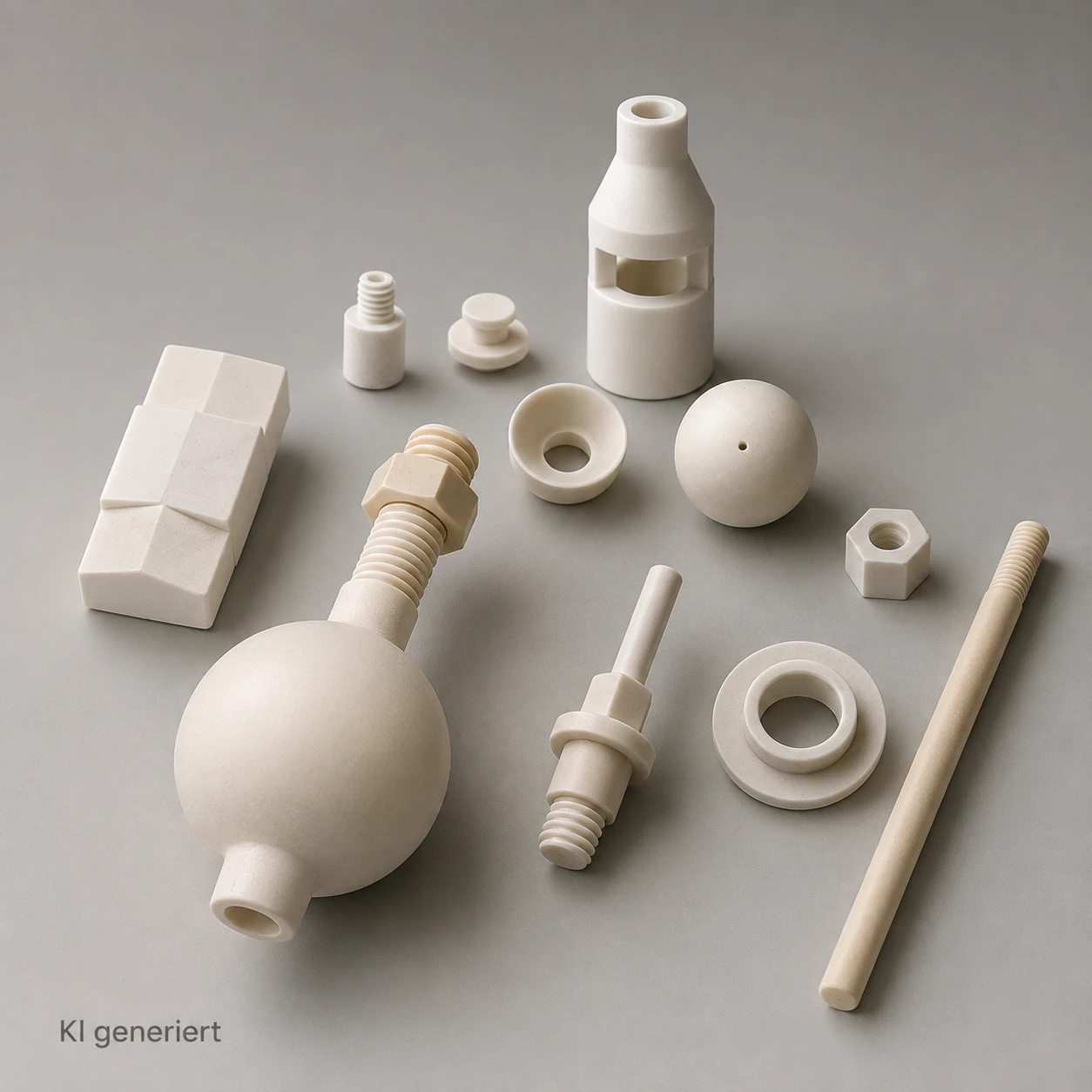
Have a drawing, a sketch or an existing component? GTS manufactures custom ceramic components for industry, laboratories and research.
For an initial assessment, please include a drawing or sketch, the required quantity, operating temperature, and details of the atmosphere, contact medium and loads.
 AI-generated illustration
Prepare your enquiry
You do not need complete documentation to get in touch. Choose the starting point that suits the current stage of your project.
Send a PDF, STEP file or the drawing format you have available, together with the required quantity.
Send your drawingPhotographs, dimensions and a brief description help us assess the geometry and manufacturing options.
Send your documentsIf you do not yet have a file to attach, start by describing the operating conditions and the function your component needs to perform.
Go to the contact formExamples from production
The photographs show actual component geometries from GTS projects. Start your enquiry with a drawing, sketch or an existing sample.
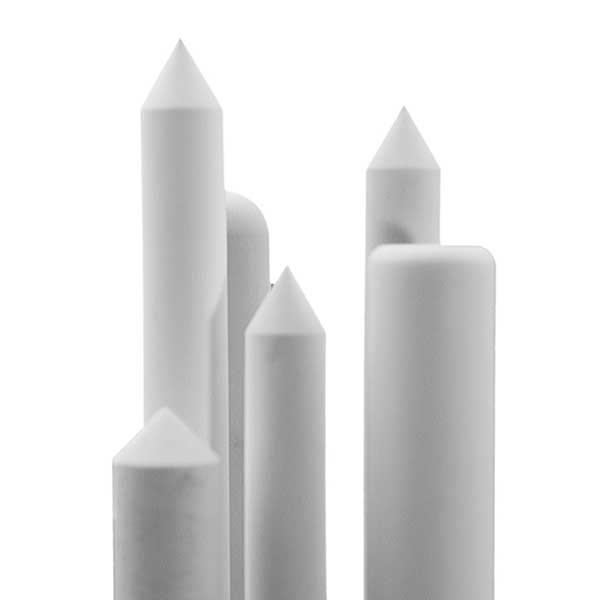
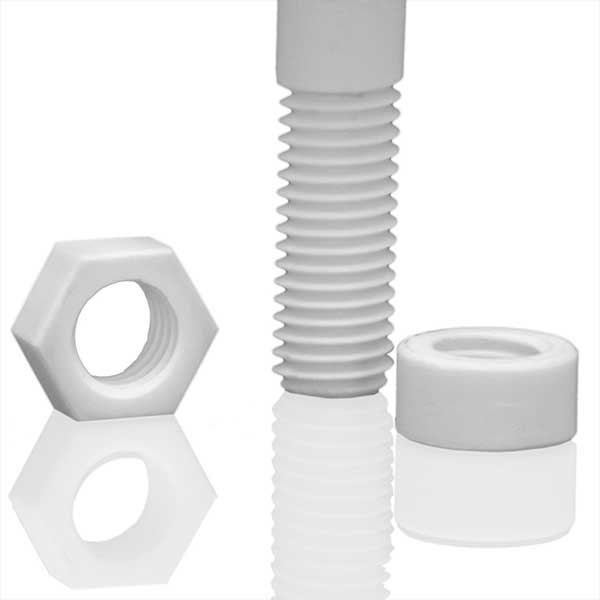
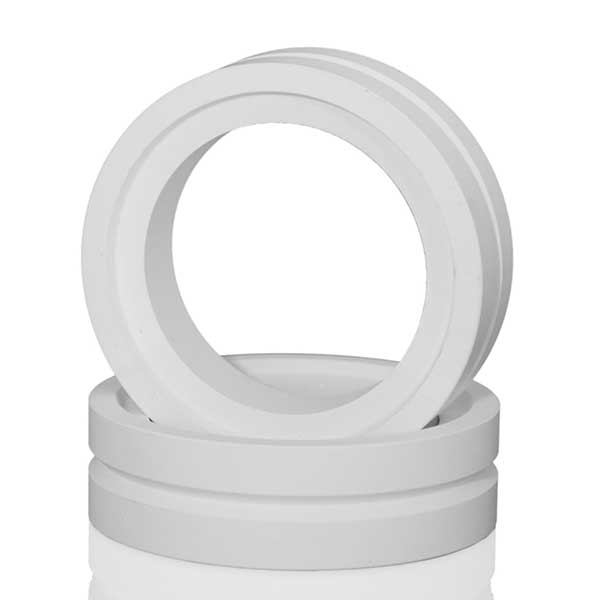
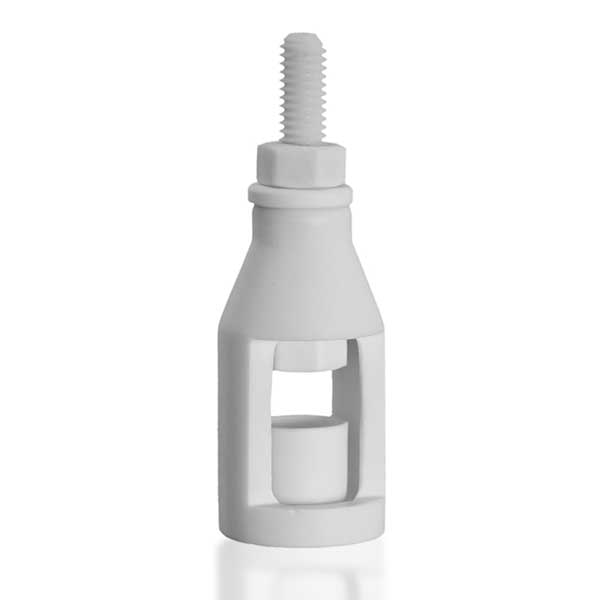
Cannot see the geometry you need? For custom components, your project requirements are the starting point.
Discuss your custom geometry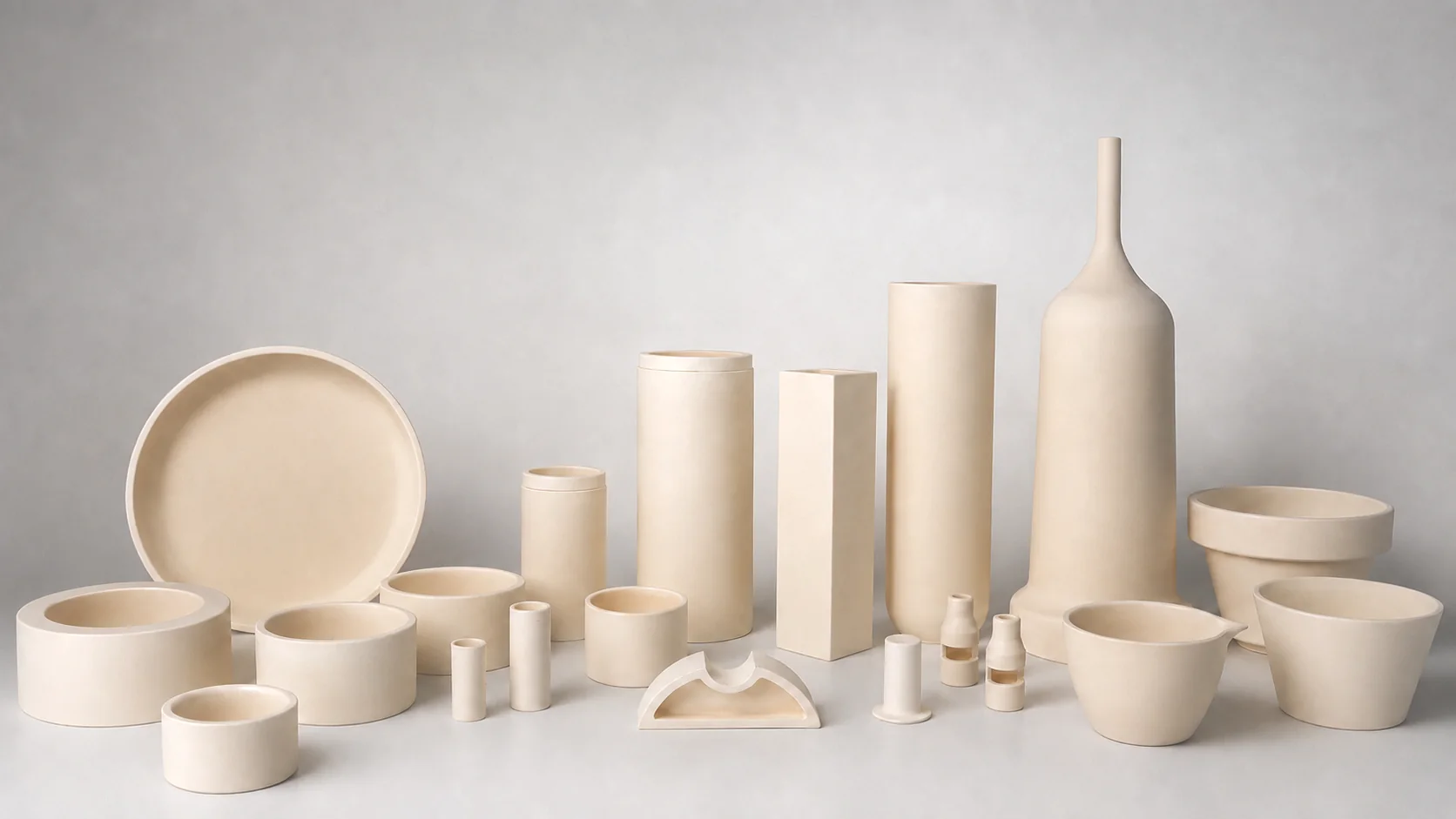 AI-generated illustration
From the first part to series production
GTS manufactures ceramic components from one-off parts through prototypes and small batches to series production. Depending on the task, 3D processes may also be an option for prototypes.
GTS material portfolio
The maximum operating temperature alone is not enough to select a material. Atmosphere, contact media, thermal cycling, mechanical loads and geometry also matter.
For guidance only
Select a heating method and the highest intended operating temperature. The results show only the material grades that meet these two values in the reference table.
How is the component heated in your process?
Other heating methods may be possible. If yours is not listed, please describe it in your enquiry.
Highest intended temperature, from 0 to 2,000 °C.
Indicative shortlist
The material grades in the reference table will then be shown for your selected temperature.
First, select a heating method above.
For guidance only. This is not a binding material recommendation or guarantee.
Full portfolio
Approved references
A selection of companies, universities and research institutes that GTS has worked with.

The names and logos shown are used as references with GTS approval.
Frequently asked questions
Key answers to help you prepare a technical enquiry.
Yes. GTS manufactures ceramic components from one-off parts through prototypes and small batches to series production.
No. For an initial discussion, a sketch, photographs, dimensions or an existing sample can also provide a starting point.
Useful information includes geometry and quantity, operating temperature, atmosphere or contact medium, mechanical loads and thermal cycling.
GTS provides data on the available material grades. As operating conditions are complex and application-specific, the user must verify suitability for their particular application.
Depending on the task, GTS also uses 3D processes for prototype manufacturing. Whether a process suits the geometry and material is assessed for each project.
Technical enquiry
A drawing, sketch or brief project description helps GTS assess the geometry and manufacturing feasibility.